
A pipe bursts at 2 a.m. A water heater fails while you are at work. A washing machine hose lets go and floods the laundry room. Water damage rarely happens at a convenient time, and once it starts, the clock is running. What you do in the first 24 hours largely determines whether you are looking at a quick cleanup or a major restoration project.
This is an emergency action plan for Sandy Springs and Metro Atlanta homeowners. Save it, share it, and know the steps before you need them, because when water is spreading across your floor, a clear plan is worth more than anything.
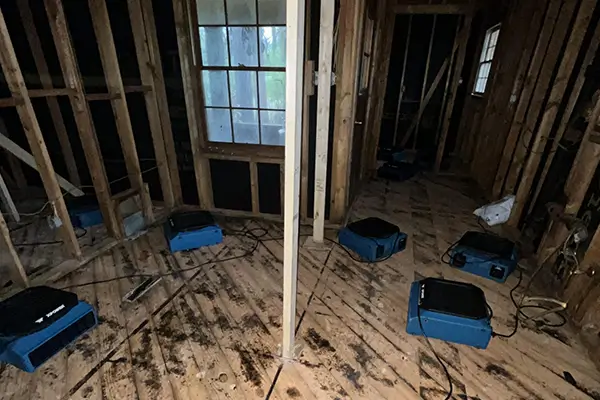
Water damage gets worse fast. Within minutes, water spreads across floors and soaks into carpet, baseboards, and drywall. Within hours, it wicks up walls and into subflooring, and furniture finishes begin to bleed and warp. Within 24 to 48 hours, mold can begin to grow, and drywall and insulation start to break down.
In Metro Atlanta’s humid climate, that mold timeline is especially short. This is why speed matters more than almost anything else. Acting within the first day can be the difference between drying out a room and rebuilding it.
Step 1: Stop the water source. If the water is coming from plumbing, shut off the supply. Know where your main water shutoff valve is before an emergency, often near the water meter, in the basement, or where the line enters the home. For an appliance, shut off its individual valve.
Step 2: Stay safe around electricity. If water is near outlets, appliances, or the electrical panel, do not walk through it. Shut off power to the affected area at the breaker if you can do so safely, and if there is any doubt, stay out and call a professional.
Step 3: Document the damage. Before you move or clean anything, take photos and video of everything: the source, the standing water, affected walls, floors, and belongings. This is essential for your insurance claim.
Step 4: Call a professional restoration company. The faster extraction and drying begin, the less damage spreads. A restoration team has the truck-mounted pumps, commercial air movers, and moisture meters needed to dry a home properly, which household fans and towels cannot match.
Step 5: Call your insurance company. Report the loss and ask what your policy covers. Many policies require prompt mitigation, so starting cleanup quickly actually protects your claim.
Step 6: Begin safe cleanup if the water is clean. If the water is from a clean source and it is safe, you can start removing standing water with towels and a wet vacuum and move valuables and furniture to dry areas. Do not use a regular vacuum, and do not enter water that may be contaminated.
We go deeper into how water damage develops in our guide on what water damage is.
Not all water is equally safe to handle, and the category affects what you should and should not do yourself.
Clean water comes from supply lines, faucets, or rainwater and poses little immediate health risk. Gray water comes from appliances like dishwashers and washing machines and carries some contamination. Black water from sewage backups, toilet overflows involving waste, or flooding is highly contaminated and dangerous. You should never attempt to clean up gray or black water yourself; that requires professional protective equipment and sanitizing. When in doubt, treat the water as unsafe and call a professional.
A few well-intentioned mistakes can make water damage worse:
The biggest reason to call a professional is that proper drying is invisible work. A floor can feel dry to the touch while the subfloor and wall cavities behind it are still saturated. Restoration professionals use moisture meters to find that hidden water and commercial-grade equipment to remove it, then verify the structure is truly dry before any rebuilding begins.
Skipping this step is the most common reason water damage turns into a mold problem weeks later. Drying it right the first time is almost always cheaper than discovering mold behind a freshly painted wall. When restoration is needed, TerraPro Group handles drying, repair, and reconstruction together, which we describe across our restoration services.
Many water emergencies are preventable with simple maintenance:
How quickly does mold grow after water damage?
Mold can begin within 24 to 48 hours, which is why fast drying is so important, especially in Atlanta’s humidity.
Can I just dry it myself with fans?
Fans help with surface moisture but cannot dry inside walls and subfloors. Professional equipment and moisture monitoring are what prevent hidden damage and mold.
Will insurance cover sudden water damage?
Sudden, accidental water damage from sources like burst pipes is typically covered, while gradual leaks from neglect often are not. Prompt action and documentation strengthen your claim.
What is the very first thing I should do?
Stop the water source if you safely can, then make sure you are clear of any electrical hazard. After that, document the damage and call for professional help.
Water damage is a race against time, and a calm, fast response makes all the difference. Stop the source, stay safe, document everything, and get professional drying started quickly.
TerraPro Group provides 24-hour emergency water extraction, structural drying, and full restoration for homeowners across Sandy Springs and Metro Atlanta. We respond fast, dry it right, and handle the repairs and your insurance claim from start to finish.
If you have water damage right now, call TerraPro Group at (470) 791-0204 or contact us here for an immediate response.